The Importance of Culture Building During the Holidays
Recently we asked our LinkedIn followers “What would be the main reason you would move jobs?” the top answer with 55% was “A better culture.” This should come as no surprise. Workplace culture is one of the most important aspects of any job. Just how important is culture?
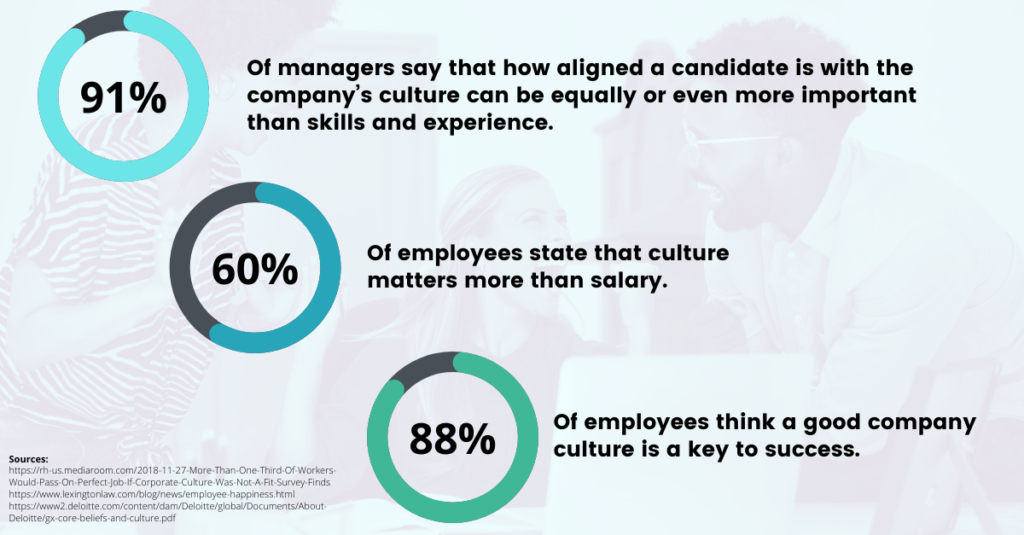
Although the majority of employees and employers agree on the importance of company culture, the truth is that it’s often an afterthought, especially in the fast-moving world of startups. Agri-FoodTech startups should heed special attention to the following, because the stakes are higher than ever.
Growing Pains
Remember the early bootstrapping days of your startup? When the CEO worked hand in hand with a small team. Those build the plane while you fly days when employees and work were mission driven are what give birth to the company’s culture. In those early days it was the CEO’s role to establish culture through leadership style, values, and mission. Everyone happily rowed in the same direction, with a clear destination in mind.
But what happens when the company reaches its first, second, third… round of growth? The original culture can become diluted. The CEO needs to create a team to help the company grow, to whom he can delegate the creation and propagation of company culture. Corporate culture needs to be delegated, so that it’s in line with intentions and objectives. People who have been there from the start may have a clear idea of what the company stands for and of what it wants to achieve, but that’s sometimes difficult to translate into a bigger company culture. This is when startups must take a more deliberate, proactive approach to shaping and growing culture.
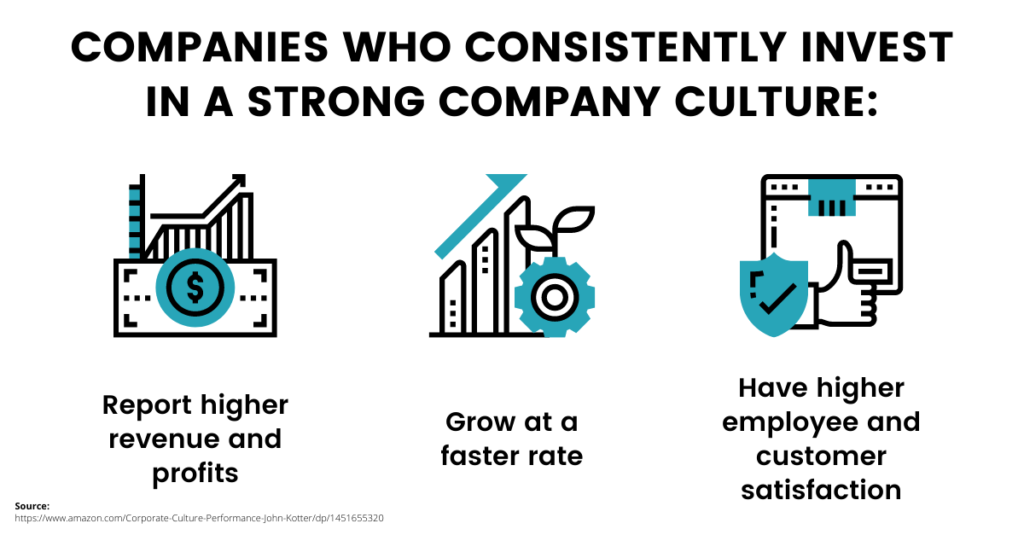
The build it as you go approach is what helped many companies grow in the first place, but once a company reaches a certain size, it’s time to take a breath, and think about what the current culture is – really – and what you’d like it to be. Culture might be a soft metric, but it has a REAL impact on your bottom line. If you haven’t already, you should set aside both time and resources to foment company culture in 2022.
Harder to Implement but More Important Than Ever
The recent significant investment into the Agri-FoodTech industry means there’s lots of competition for talent. Culture can be the defining reason for people to join or leave your company, meaning that your ability to grow is tied to it. The bad news is that it takes more effort to build culture with remote workers.
Company culture is a lot more than just your mission and vision. It’s not just a set of lofty ideas. It’s a tangible part of your day to day. How work is conducted. How decisions are made. How teams collaborate and navigate change. All these are real parts of your startup’s culture. In all probability, it’s likely that your company culture changed when you made the jump to remote work. Has it improved or gotten worse? Working for a company with a defined mission appeals to people, but it will only go so far, especially if your competitors, whom might be systematically recruiting your employees, also have intriguing missions.
So, the question is, in these times of high growth and remote work, how can you make sure that you are integrating new hires into a vibrant and appealing company culture? Generating a strong culture is essential for both engagement and retention, but building inter-personal relationships remotely can be difficult. Let’s take a look at some ways you can build a better company culture, even remotely.
First Impressions Matter
In an early-stage company, there is often times little onboarding support structure. There might be a lot to do, but resist the urge to just throw your new hires into the fire. A first impression can be the most lasting, so make sure that your onboarding process does justice to your culture and shows employees how much you value them. A study conducted by Glassdoor, shows that having a good onboarding process can increase new hire retention by 82 percent and productivity by more than 70 percent. Onboarding will set the tone for the rest of your working relationship, so make the most of it. Use this time to set clear expectations on what it means to work in your company, what is expected from the role, and what resources are available to help reach objectives and for professional development.
SIDENOTE: Make sure you treat original employees equally well. Emphasis on new hires is important, but so is making your original core team feel like you are grateful for their hard work and sacrifice. Make sure to not take them for granted. Give them the same opportunities, compensation, and resources as new hires, or you will risk alienating them and generating resentment. Remember that they too might be getting offers from competitors.
Get to Know Your Team and Yourself
Want to know how to get a new hire to fit seamlessly into your company? Get to know them – really know them. At CS Partners we use a Lumina Spark psychometric test to really understand our clients and candidates. This kind of test has many benefits. We use it to measure behaviours, preferences, communication styles and define personality personas. This kind of tool can increase emotional intelligence by helping employees and employers gain a better understanding of themselves and how they relate to others.
Agri-FoodTech companies have a unique and eclectic mix of personalities. Scientists, engineers, and entrepreneurs come together to achieve a common mission, but their approaches to problems, to collaboration, and to communication are most likely vastly different. Using this kind of tool together is not only a great team-building exercise, but they can also provide clear insight into how those different personality types can and should work together.
When people start a new job, they can bring with them emotional and behavioural baggage. Everyone has something they need help developing, professionally speaking. By using a tool like Lumina, you can help your team grow together, creating important ties to each other and to the company.
Seriously Though, Where’s My Holiday Party?
Has an employee lately asked you if you’re planning on having a holiday party? Although it might seem silly given the other priorities on your plate, it’s actually not a dumb question. Company culture is often times what happens between the lines, between projects and tasks. It’s these moments that are actually the most difficult to have online. How do we replicate “water cooler moments” online in an organic way that does not feel forced? A holiday party is one of those rare moments in a company where you can take things a little less seriously, and start to see colleagues as just people, blurring reporting lines one drink at a time. If I think back to my best moments in the last company I worked at, I’m reminded of doing volunteer work together or sharing a laugh and story during a party. These moments allow us to socialize, vent, and connect. They make us feel like we belong to something bigger than ourselves. We should still aim to have moments like these, even online.
Have a real happy hour. We’ve seen these done poorly or well. When it’s done poorly it’s just a regular standup meeting with a different name. When it’s done well, it’s an actual celebration without a programmed agenda. Just like real happy hours, the secret ingredient tends to be a bit of booze. Why not send your employees cocktails ingredients and have a virtual gin-tonic Friday evening? Have them all open their parcels at once on the call for an extra surprise. No recording this zoom meeting!
Play together. Teams that play together, stay together. From old school classics like Monopoly and Pictionary, to virtual escape rooms and scavenger hunts to trivia nights, and everything in between. There are many ways to play together online.
Spend some quality time. There are many other ways to spend some quality time together. You could have a movie night, by throwing a watching party through Netflix or other streaming services. There are apps for virtual karaoke, workout routines, or ice breaking exercises. You could make time to introduce each other to your pets. It does not matter what you decide to do it, as long as you do it in a carefree, natural way. Preferably it should be during work hours, so it does not take up your team’s free time.
This holiday season, remember that one of the best gifts you can give your employees is a dynamic company culture that makes working for you engaging and stimulating from home and the office. If you’re interested in building a stronger company culture to improve engagement and your bottom line, reach out. We’re happy to help.